West lake 西湖 (the symbol of Hangzhou)
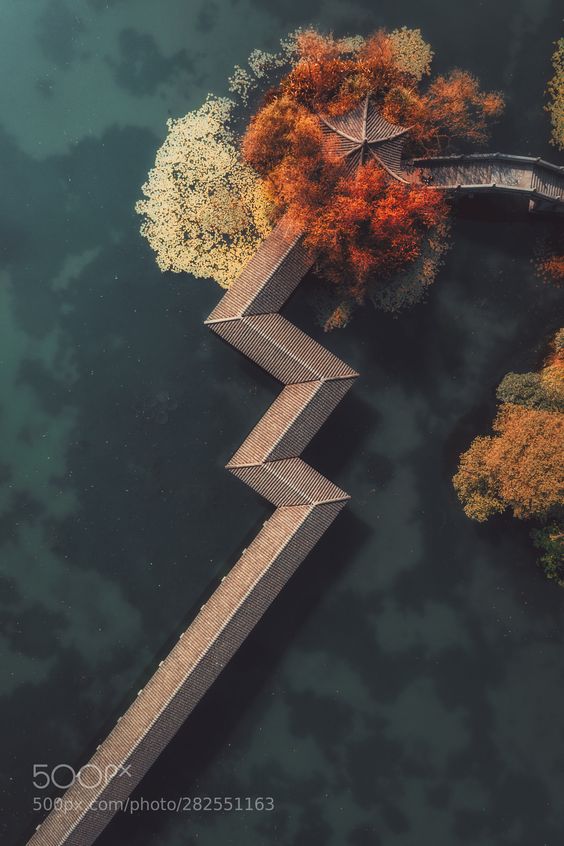
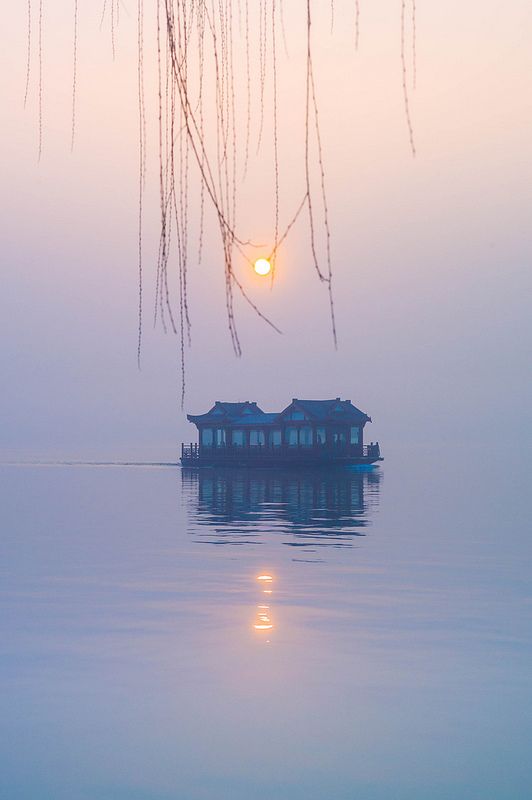
The very definition of classical beauty in China, West Lake is utterly mesmerising: pagoda-topped hills rise over willow-lined waters as boats drift slowly through a vignette of leisurely charm. Walkways, perfectly positioned benches, parks and gardens around the banks of the lake offer a thousand and one vantage points for visitors to admire the faultless scenery.
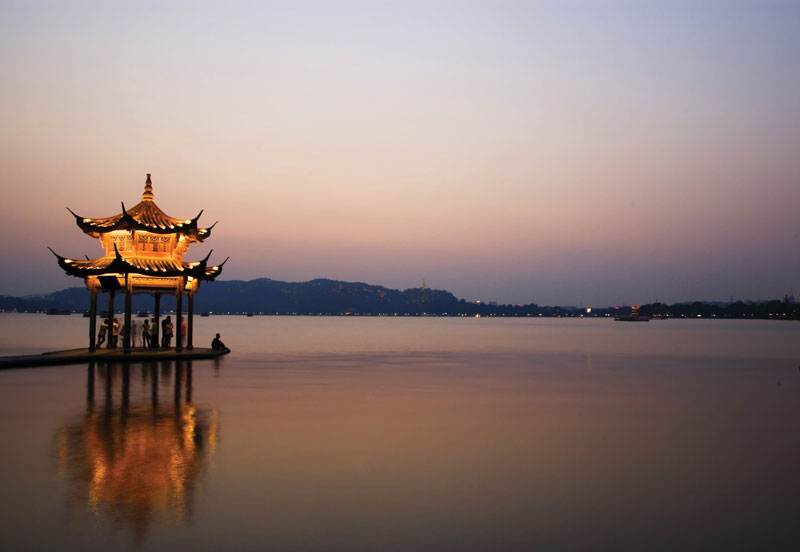
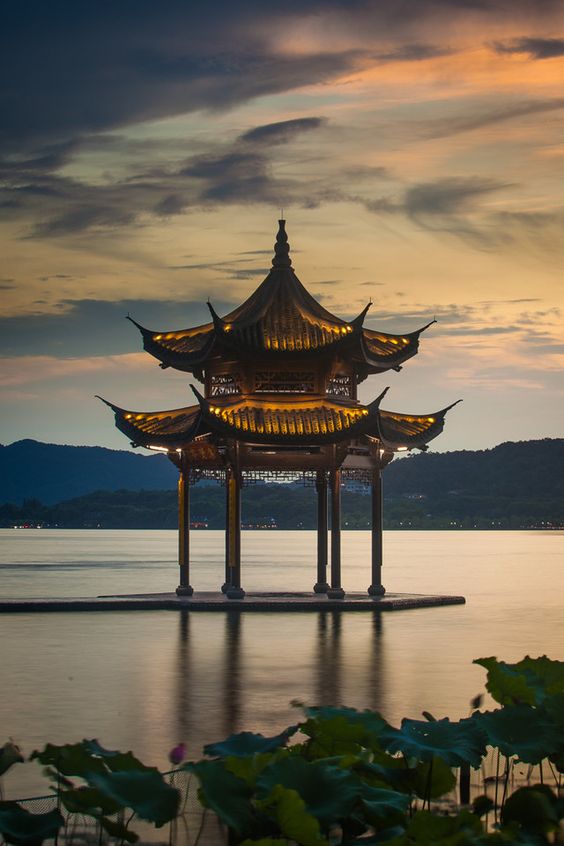
The smaller island in the lake is Xiǎoyíng Island, where you can look over at Three Pools Mirroring the Moon, three small towers in the water on the south side of the island; each has five holes that release shafts of candlelight on the night of the mid-autumn festival. From Lesser Yíngzhōu Island, you can gaze over to Red Carp Pond, home to a few thousand red carp.
Impromptu opera singing, ballroom dancing and other cultural activities often take place around the lake, and if the weather’s fine, don’t forget to earmark the east shore for sunset over West Lake photos. It's hardly needed, but musical dancing fountains burst into action at regular intervals throughout the night and day, close to Lakeview Park.
Crowds can be a real issue
here, especially on public days off when it can seem as
if every holidaymaker in China is strolling around the
lake. Escape the jam of people by getting out and about
early in the morning – also the best time to spot the
odd serene lakeside taichi session.
The best way to get around the lake is by bike
or on foot.
Língyǐn Temple灵隐寺
Hángzhōu’s most famous Buddhist temple, Língyǐn Temple was originally built in AD 326, but has been destroyed and rebuilt no fewer than 16 times. During the Five Dynasties (AD 907–960) about 3000 monks lived here. The Hall of the Four Heavenly Kings is astonishing, with its four vast guardians and an ornate cabinet housing Milefo (the future Buddha). The Great Hall contains a magnificent 20m-high statue of Siddhartha Gautama (Sakyamuni), sculpted from 24 blocks of camphor wood in 1956 and based on a Tang dynasty original.
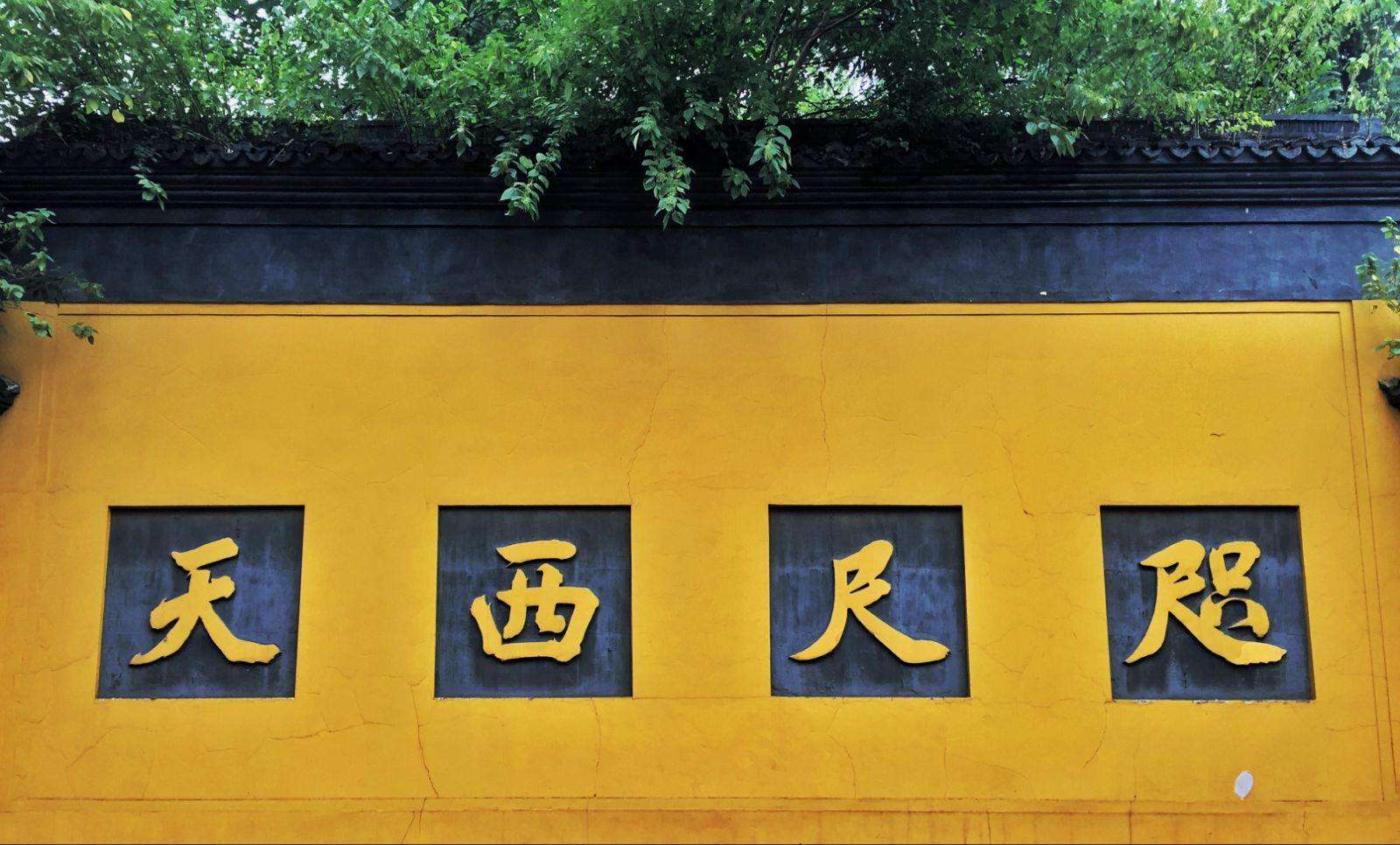
Behind the giant statue is a startling montage of Guanyin surrounded by 150 small figures, including multiple luóhàn (arhat), in a variety of poses. The earlier hall collapsed in 1949, crushing the Buddhist statues within, so it was rebuilt and the statue conceived. The Hall of the Medicine Buddha is beyond.
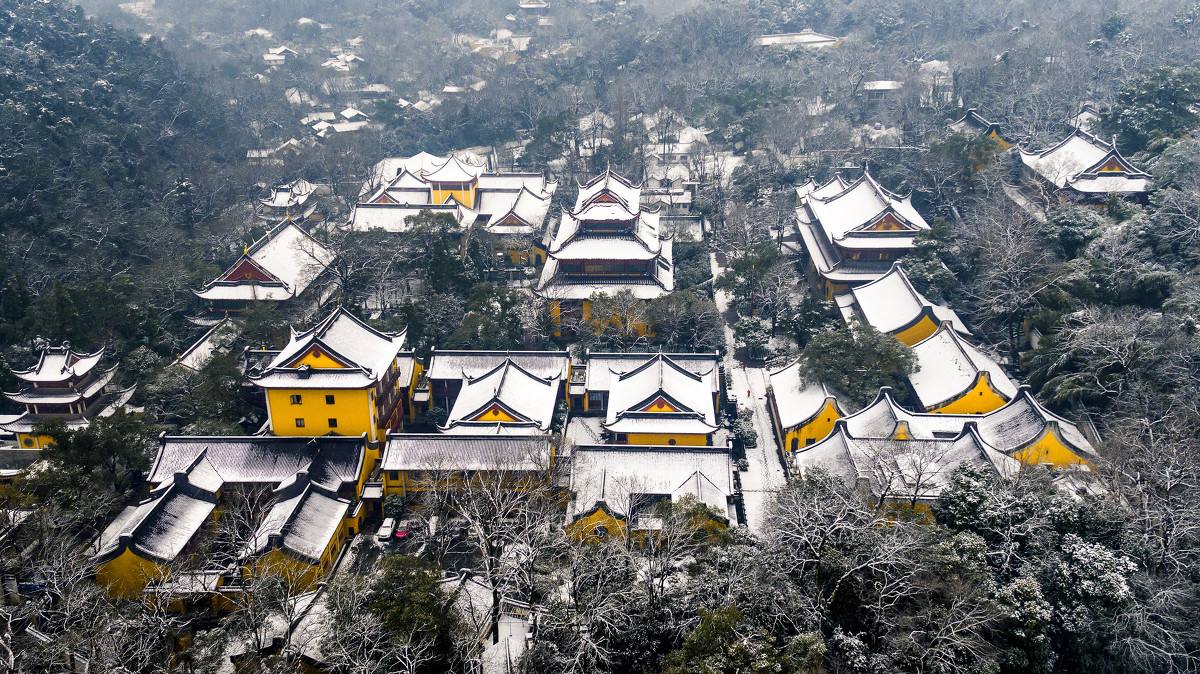
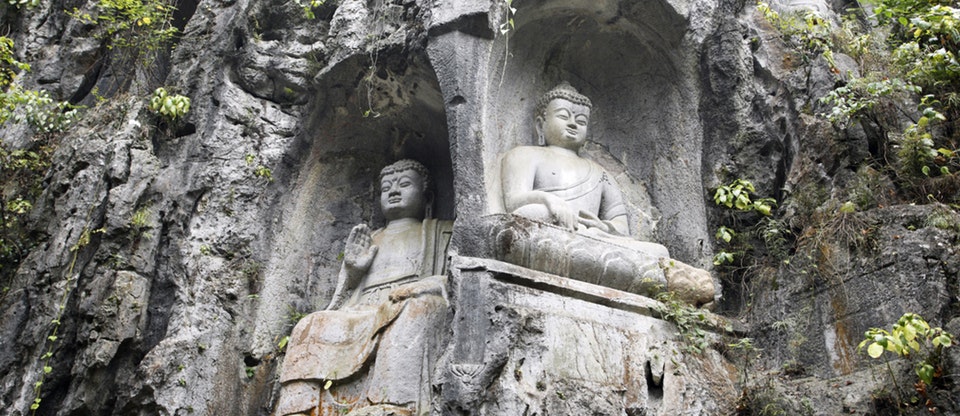
The walk up to the temple skirts the flanks of Fēilái Peak (飞来峰; Fēilái Fēng; Peak Flying from Afar), magically transported here from India according to legend. The Buddhist carvings (all 470 of them) lining the riverbanks and hillsides and tucked away inside grottoes date from the 10th to 14th centuries. To get a close-up view of the best carvings, including the famed ‘laughing’ Maitreya Buddha, follow the paths along the far (east) side of the stream.
There are several other temples near Língyǐn Temple that can be explored, including Yǒngfú Temple and Tāoguāng Temple.